

How to Maintain Your New Landscape
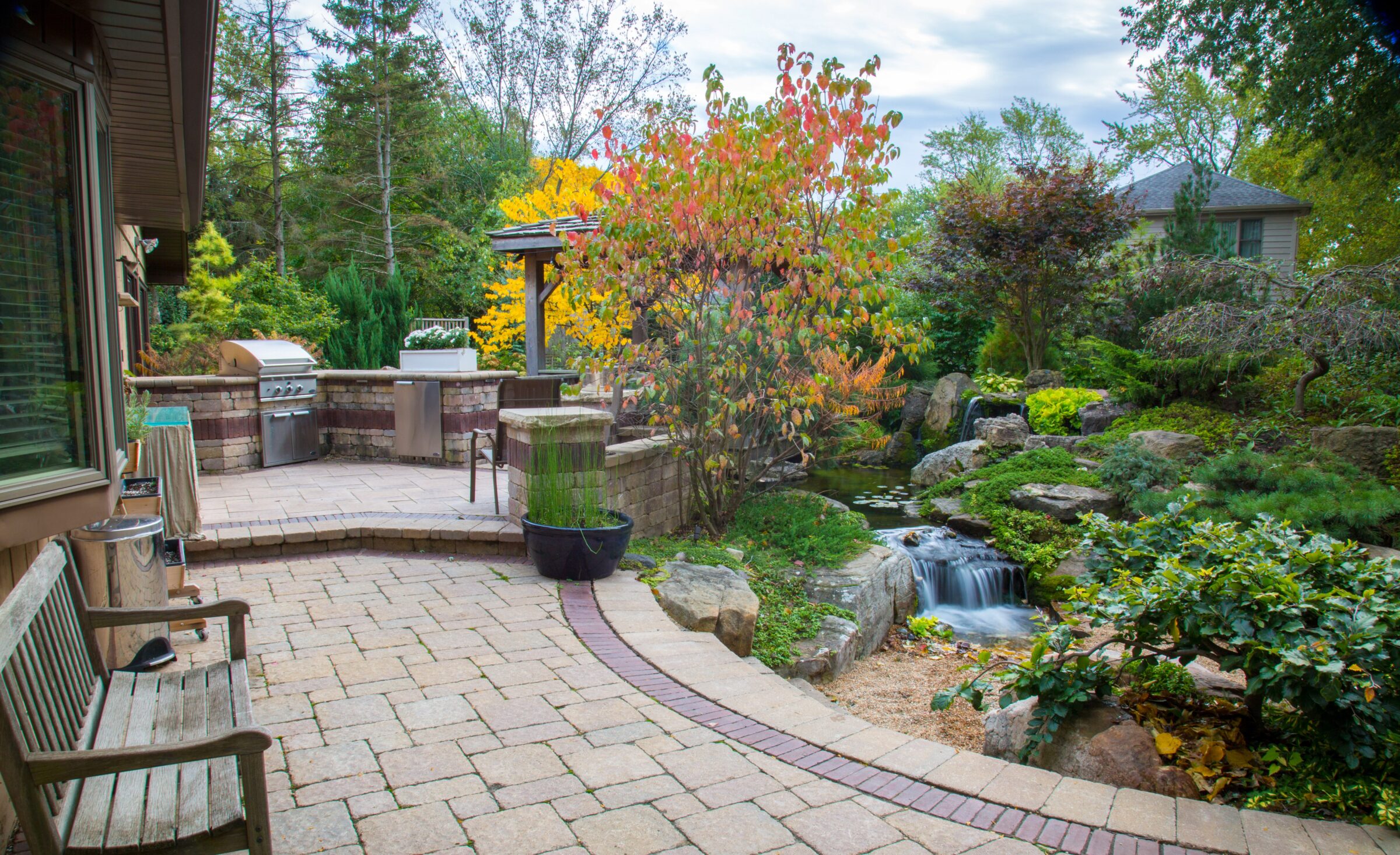
You’re ready to transform your landscape and want to make sure you hire the right team for the job. Once your project is complete, you’ll enjoy a space that’s not only beautiful and fresh but built to thrive for years to come.
To help you plan every step with confidence, explore our Complete Guide to Designing and Building Your Outdoor Living Space, a resource created to help you understand the design-build process, from concept to completion.
Learning how to maintain your new landscape in Ontario is essential to protect your investment. A well-designed landscape adds value and enjoyment to your property, but without proper care, it can lose its structure and appeal. Whether you’ve recently planted new gardens, added hardscaping, or installed water features, your approach to landscape maintenance after installation determines how long your new outdoor space continues to flourish.
You’ve Invested In Your Landscape, TIme to Protect It

After your landscape installation is complete, it’s natural to feel proud and relieved. Your property finally looks the way you envisioned. But a new outdoor space is like a new home, it needs consistent attention and gentle care. The first few months are especially important, as plants, trees, and sod adjust to their new environment.
You may be wondering how to maintain a new landscape in Ontario. This depends on your property’s unique features and microclimates. The soil composition, exposure to sun, and drainage patterns all influence how your landscape matures. That’s why understanding landscape maintenance after installation is key to long-term success.
When you stay proactive by checking moisture levels, managing weeds early, and following a seasonal maintenance plan, your investment keeps paying off. The difference between a thriving landscape and one that fades within a year often comes down to these early habits.
Common Mistake #1: Watering & Soil Neglect
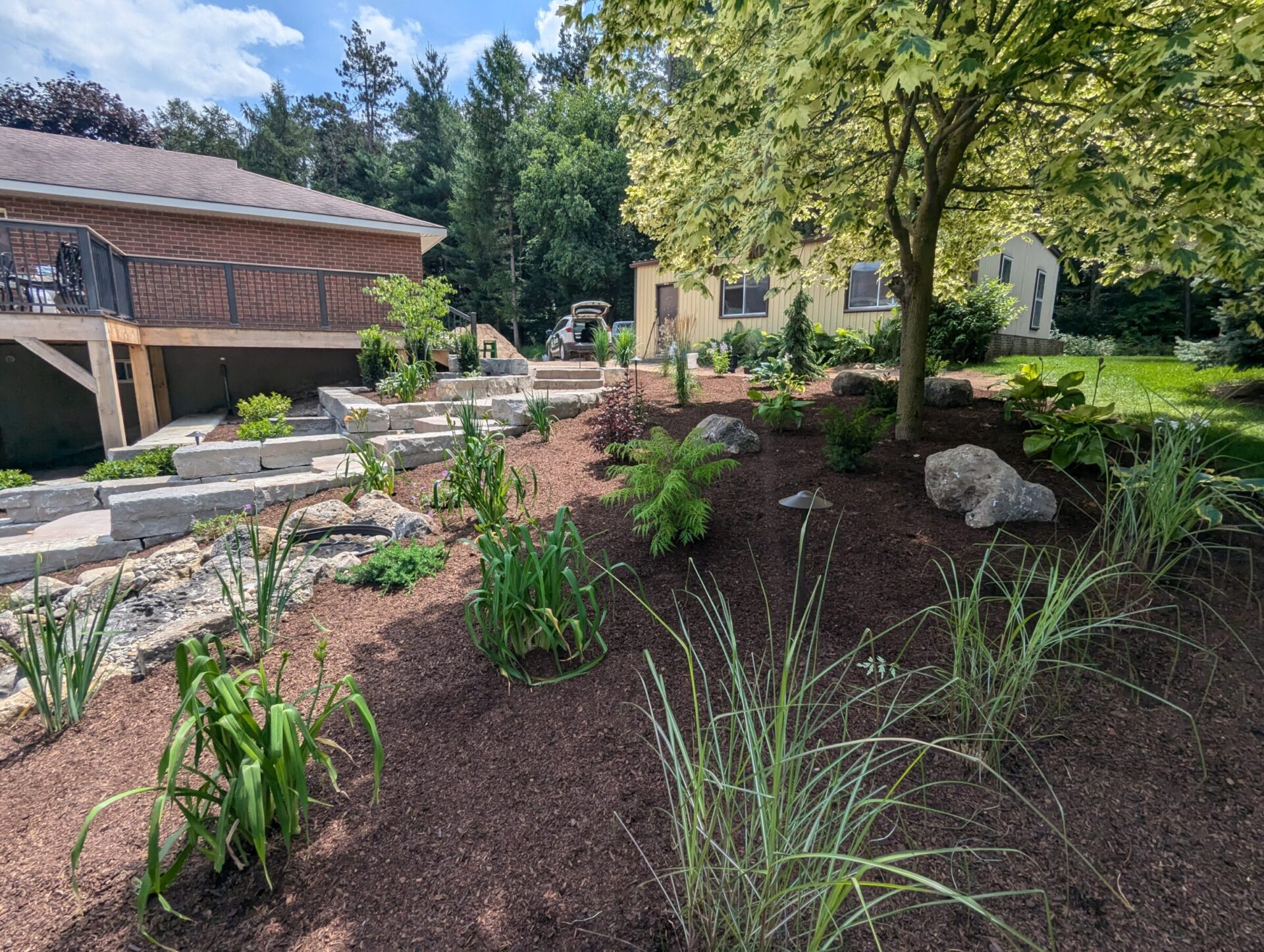
One of the most common challenges homeowners face after installation is water management. Both overwatering and underwatering can stress new plants and lawns, leading to disease, yellowing, or shallow root systems. Consistent monitoring, adjusting for rainfall, and understanding your property’s drainage patterns are essential parts of landscape maintenance after installation to promote balanced, lasting plant health.
Understanding Proper Watering
- New Sod: Water deeply within the first hour after installation. For the next two weeks, keep it consistently moist but not soggy.
- Garden Beds: Check moisture at least three times per week. Water early in the morning to reduce evaporation.
- Trees And Shrubs: Focus on deep, slow watering at the root base rather than frequent light watering.
In Ontario’s varying climate, watering needs change with the season and weather conditions. Installing a simple drip irrigation system or using a rain gauge can help you avoid guesswork.
Soil is equally important. Many homeowners overlook the fact that landscape maintenance after installation starts beneath the surface. Compacted or poorly drained soil can suffocate roots and stunt plant growth. If you notice pooling water, slow drainage, or dry patches that persist, it’s worth reassessing your soil structure.
Quick Tips For Healthy Soil
- Add organic mulch around plants to retain moisture and regulate temperature.
- Aerate lawns to promote air and water movement.
- Test soil pH annually and adjust nutrients as needed.
By being mindful of soil and water balance, you’re learning how to maintain a new landscape Ontario in a sustainable, healthy way, ensuring every layer of your yard supports long-term growth.
Common Mistake #2: Ignoring Seasonal Changes
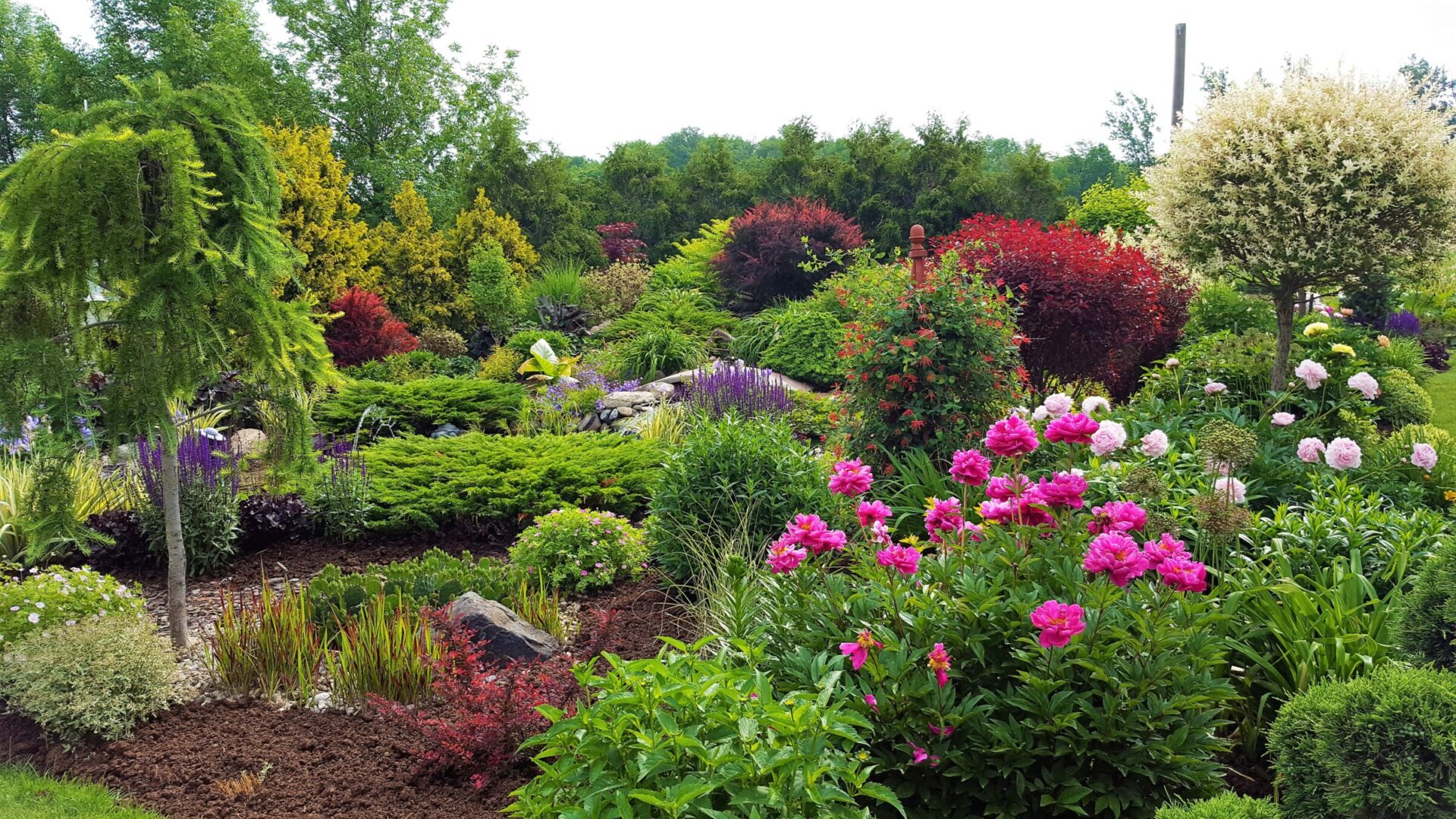
Waterloo Region’s seasons bring both beauty and challenges. Ignoring seasonal shifts is a common reason landscapes deteriorate prematurely. Each season demands a slightly different approach to landscape maintenance after installation. From spring’s rapid growth to winter’s deep freeze, adapting your care routine helps plants thrive, protects hardscapes, and ensures your investment stays strong year-round.
Spring: Recovery & Preparation
Spring is about renewal. As frost melts and soil warms, this is your opportunity to clean up debris, inspect plant health, and fertilize as needed.
- Rake leaves and remove dead growth.
- Re-edge beds for clean lines.
- Check irrigation systems for leaks or clogs.
This is also the best time to plan how to maintain new landscape Ontario for the months ahead. Establishing early routines prevents weeds and pest issues later. Creating a maintenance calendar, scheduling inspections, and adjusting watering or fertilizing practices based on weather patterns will help your outdoor space stay balanced, healthy, and visually appealing throughout the growing season.
Summer: Consistent Care
Summer heat can stress new landscapes.
- Maintain consistent watering early in the day.
- Watch for drought signs like wilting or leaf scorch.
- Deadhead flowers and prune lightly to encourage growth.
Shade gardens may require less water, while open, sun-exposed spaces need more frequent checks. Knowing the specific conditions of your property helps balance your approach.
Fall: Preparing For Dormancy
Fall is the time to set your landscape up for success over winter.
- Add mulch to protect sensitive plants.
- Cut back perennials after frost.
- Reseed or fertilize lawns before the first freeze.
Winter: Observation & Planning
Even during winter, landscape maintenance after installation continues.
- Clear heavy snow from shrubs to prevent breakage.
- Avoid piling salt-heavy snow on garden beds.
- Use this time to review what worked and plan adjustments for spring.
Your outdoor space is a living system that responds to each season. By staying attentive, you ensure that the effort and design that went into your installation are preserved. When you understand how to maintain a new landscape in Ontario, you’re actively extending its lifespan and protecting your investment.
Common Mistake #3: Skipping Early Inspections
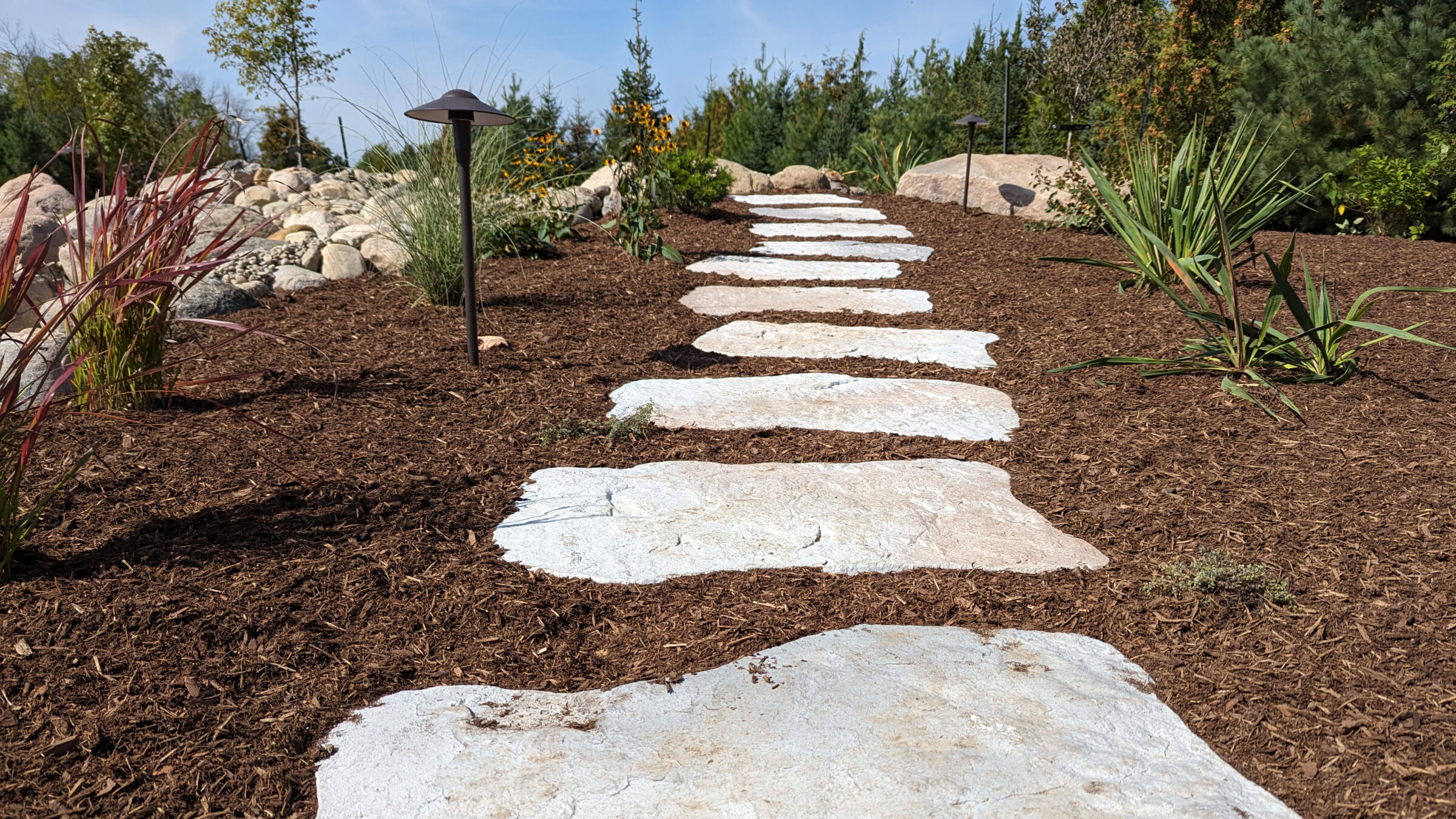
Once the project is complete, it can be easy to assume everything is stable. But early inspections are vital to ensure your landscape settles correctly. Many issues develop slowly, making regular check-ins essential to effective landscape maintenance after installation. Routine observation allows you to spot shifting stones, drainage problems, or soil erosion before they cause larger, costly repairs.
What To Look For
- Soil Settlement: Watch for dips or uneven spots near patios, pathways, or retaining walls.
- Cracks Or Shifting: Early cracks in stonework or pavers may signal movement below the surface.
- Drainage Problems: Puddles or erosion after rain indicate potential grading issues.
If you catch these early, they’re often simple to correct. Left untreated, they can lead to major repairs later.
Your landscaper designed your project with care, taking into account soil type, sunlight, and drainage. But even with expert installation, natural settling can occur. Regular visual checks and light maintenance protect the foundation of your outdoor space.
By understanding how to maintain your new landscape in Ontario, you can address small changes before they turn into costly fixes, saving both time and resources.
Partnering With Your Contractor For Long-Term Success
A professional landscape installation is only the beginning of a lasting partnership. Homeowners who stay connected with their contractor often enjoy better results year after year. Your contractor knows the materials, design intent, and local environmental factors better than anyone else.
At St. Jacobs Landscaping, the team believes your outdoor space should be functional, beautiful, and built to last. Our approach is highly collaborative. Our clients are encouraged to be as involved as they wish throughout design, installation, and follow-up care. With open communication and transparent touch points, you always know what’s happening at every stage.
This commitment continues beyond installation. As a client, you can benefit from:
- Scheduled follow-up visits to monitor plant health and structure.
- Guidance on watering schedules and seasonal adjustments.
- Maintenance recommendations tailored to your property’s conditions.
Because St. Jacobs Landscaping partners with St. Jacobs Garden Centre, you can trust that every plant, flower, tree, and shrub comes from a local, reputable source in Southern Ontario. Our clients even have the opportunity to visit the Garden Centre and view their plant selections before installation.
That connection to quality and community ensures your landscape’s foundation is strong. Understanding landscape maintenance after installation becomes easier when you have professional support and local expertise behind you.
A Long-Lasting Outdoor Space Starts With You
Your new landscape is more than a collection of plants and stonework, it’s an outdoor extension of your home. With thoughtful care, it continues to bring comfort, function, and pride for many years.
To summarize how to maintain your new landscape in Ontario:
- Water thoughtfully and check soil health regularly.
- Adapt maintenance practices to Ontario’s changing seasons.
- Inspect your property for early signs of settling or wear.
- Work closely with your landscape contractor for continued guidance.
The expertise, design quality, and local partnerships that shaped your installation are meant to last. Protect that investment through mindful landscape maintenance after installation.
You’ve already taken the first step by investing in a professional design. Now it’s time to nurture what’s been built.
Book a consultation today to learn about St. Jacobs Landscaping’s maintenance and follow-up programs.
Summary
Learning how to maintain a new landscape in Ontario is the key to preserving the value and beauty of your outdoor space. Regular watering, seasonal care, and early inspections form the foundation of effective landscape maintenance after installation. Partnering with professionals like St. Jacobs Landscaping ensures your garden, stonework, and features stay strong, healthy, and vibrant through every season. With consistent upkeep, your investment continues to grow, adapting beautifully to each season. Taking time to monitor soil health, prune plants, and adjust watering schedules supports long-term resilience. When your outdoor environment thrives, it adds daily enjoyment, curb appeal, and lasting function to your home for years to come.
Tags: