

Hardscape vs Softscape: Balance Beauty and Function
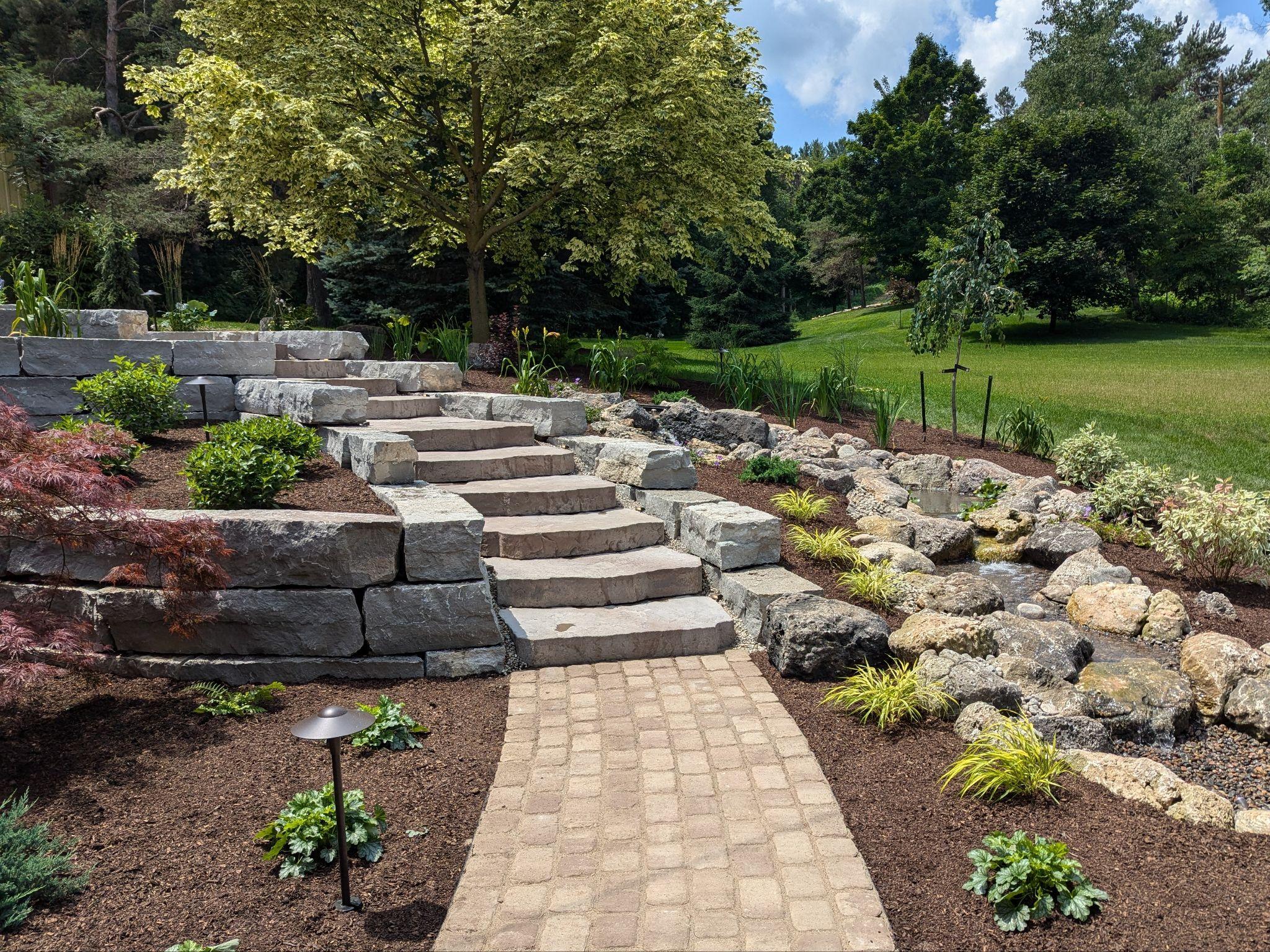
When you picture your ideal backyard, you might see a stone path, vivid flowers, and a patio with room for supper. The answer starts with understanding hardscape vs softscape. Many yards feel unfinished because paving and planting were planned apart. You deserve a space that looks good and works well through the seasons.
A clear view of hardscape vs softscape helps you choose a direction that suits your home. The concern grows when upkeep piles up, shade shifts, and water pools in the wrong spot. A patio without beds can feel stark. You want a layout that serves family time, simple care, and year-round interest. By comparing hardscape vs softscape, you can set a plan that is practical, calm, and personal to the way you live.
What Are Hardscape Elements in Landscaping
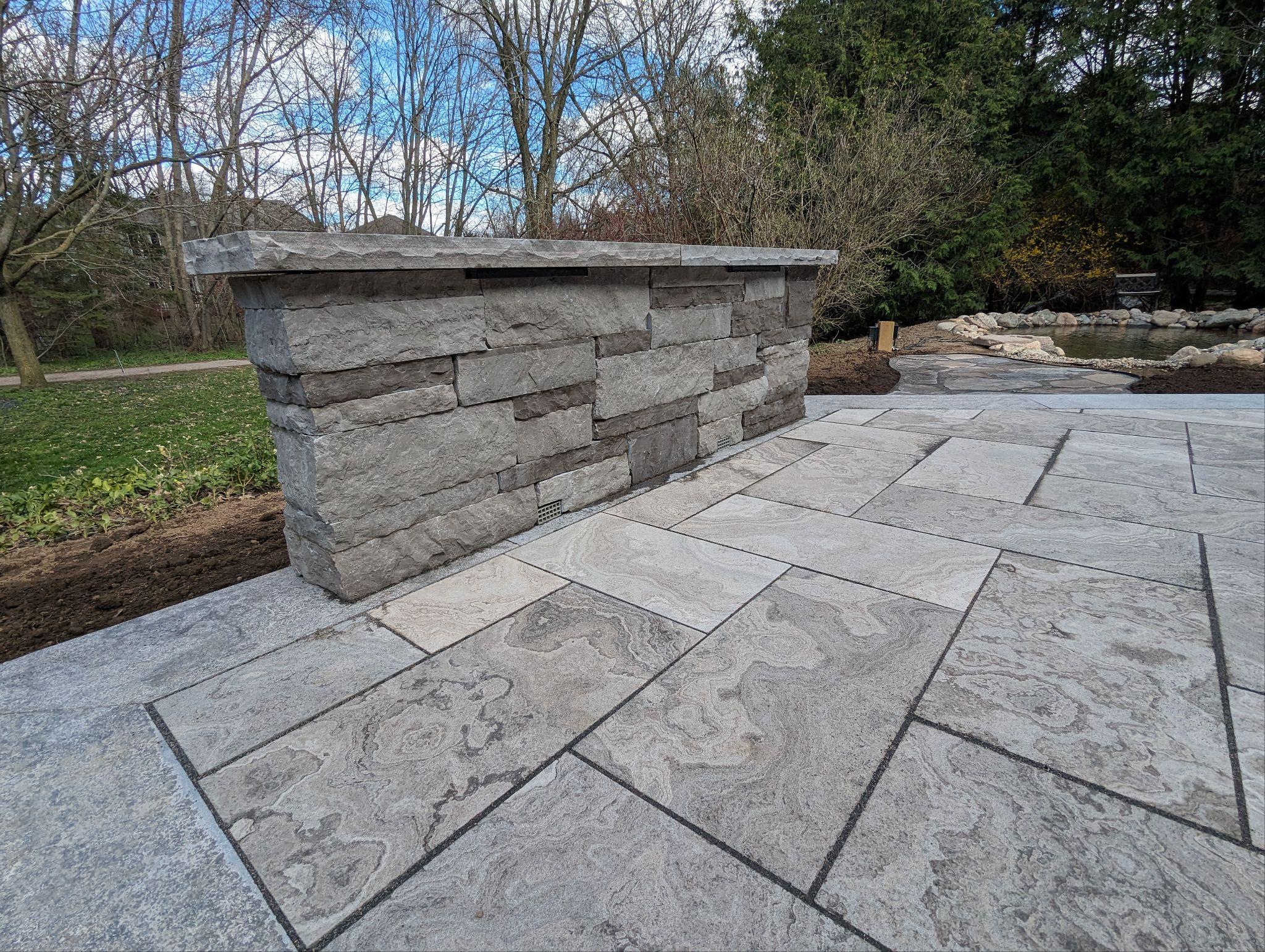
Hardscape is the built framework of your property. It includes patios, decks, retaining walls, pathways, driveways, outdoor kitchens, fire pits, and water features. In the hardscape vs softscape discussion, hardscape creates shape and structure that holds up under Canadian weather.
Strong hardscape gives you clear circulation, safe footing, and places for furniture and cooking. It can manage slopes, guide drainage, and protect garden beds. Materials range from natural stone and armour stone to pavers, concrete, and wood. When well installed, you get decades of service with modest upkeep. This is a practical anchor point in hardscape vs softscape.
Softscape Landscaping Defined
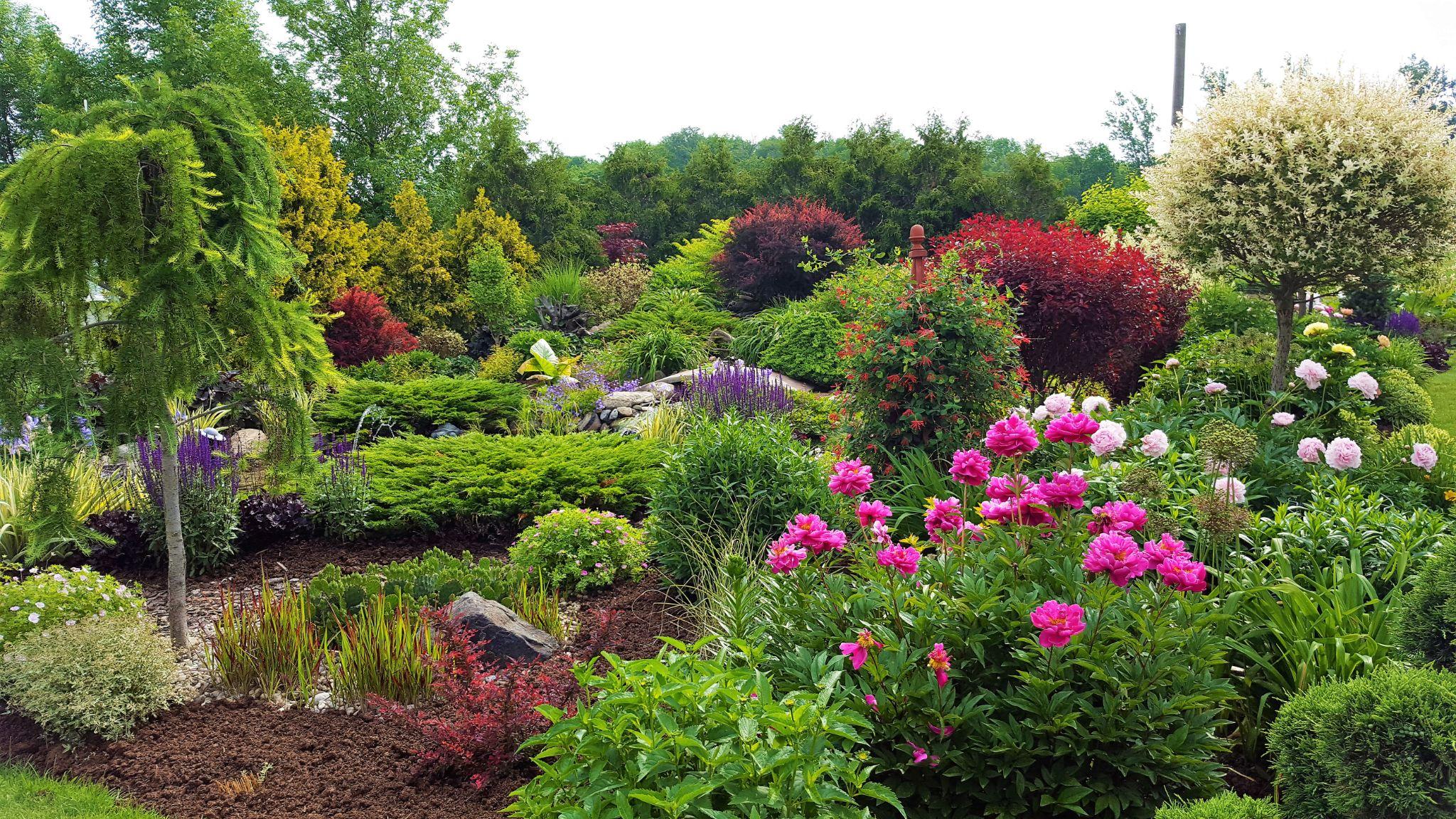
Softscape landscaping encompasses the living system that adds movement, colour, and shade. It includes trees, shrubs, perennials, annuals, lawns, soil, mulch, and groundcovers. In the hardscape vs softscape balance, softscape softens edges, cools paved areas, and brings seasonal rhythm.
Plant choices shape maintenance and mood. Native and region-adapted plants handle local soils and weather in Southern Ontario. Layered beds create depth: canopy trees for height, shrubs for structure, perennials for long bloom, and groundcovers to tie it together. Good soil prep, mulch depth, and irrigation planning keep roots healthy.
Examples of Hardscape & Softscape Working Together
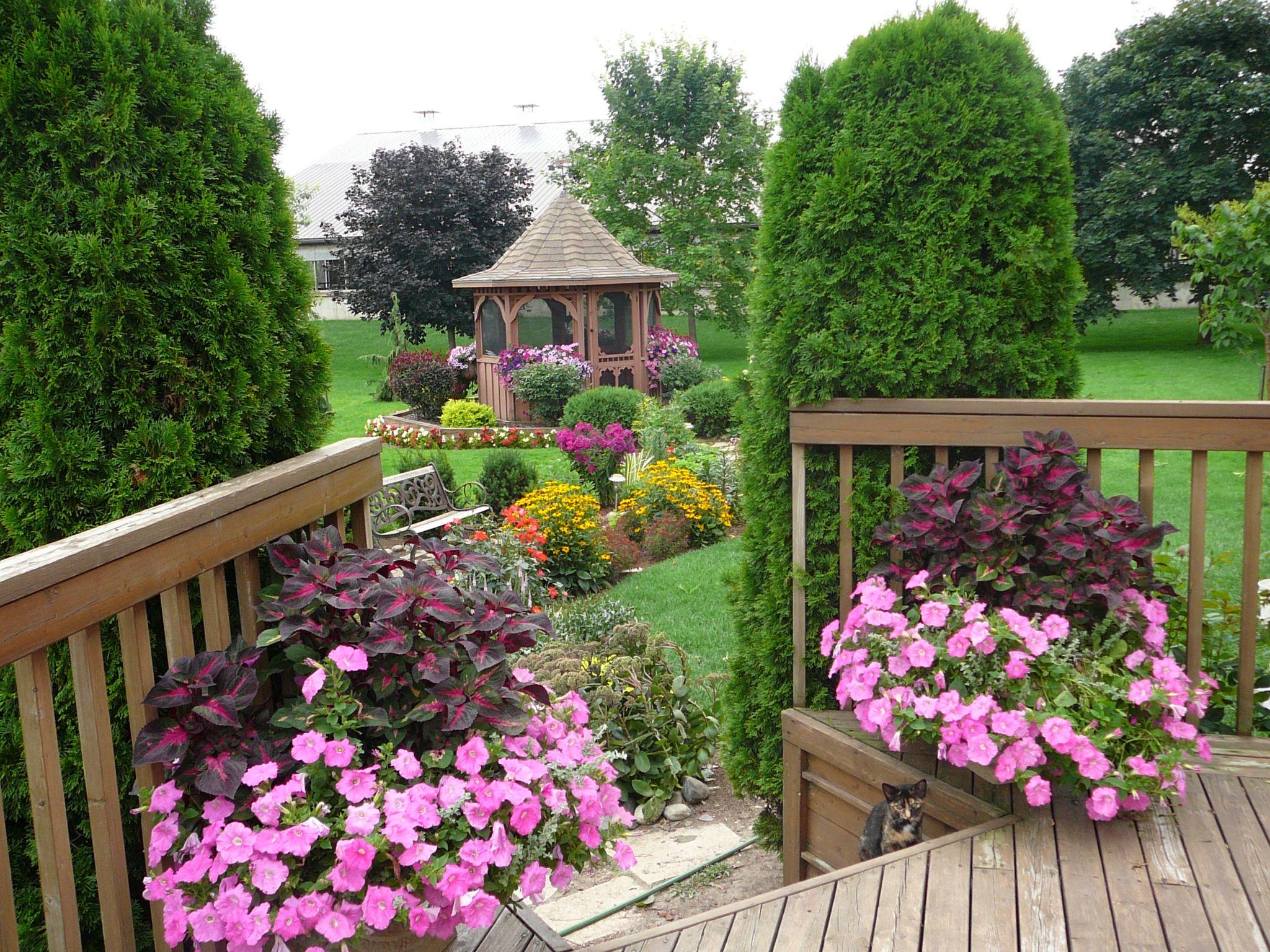
Consider the following landscaping features and how they show the give-and-take of hardscape vs softscape, and why balance is crucial.
- A stone patio edged with perennial gardens. Beds lift the terrace with seasonal colour while the paved surface keeps foot traffic clean and steady.
- A flagstone walkway lined with shrubs and low-voltage lighting. The path directs movement; the plants soften the line and guide the eye at night.
- A retaining wall with integrated garden beds. The wall manages grade and adds seating; the plants knit the slope and reduce erosion.
- A pond with flagstone edging and aquatic plants. The stone controls edges and care; the lilies, rushes, and fish bring life.
You get both structural integrity and natural flow when your landscape is planned as a unified system. That is the heart of your balance of hardscape vs softscape for a family yard.
How to Balance Hardscape & Softscape Design
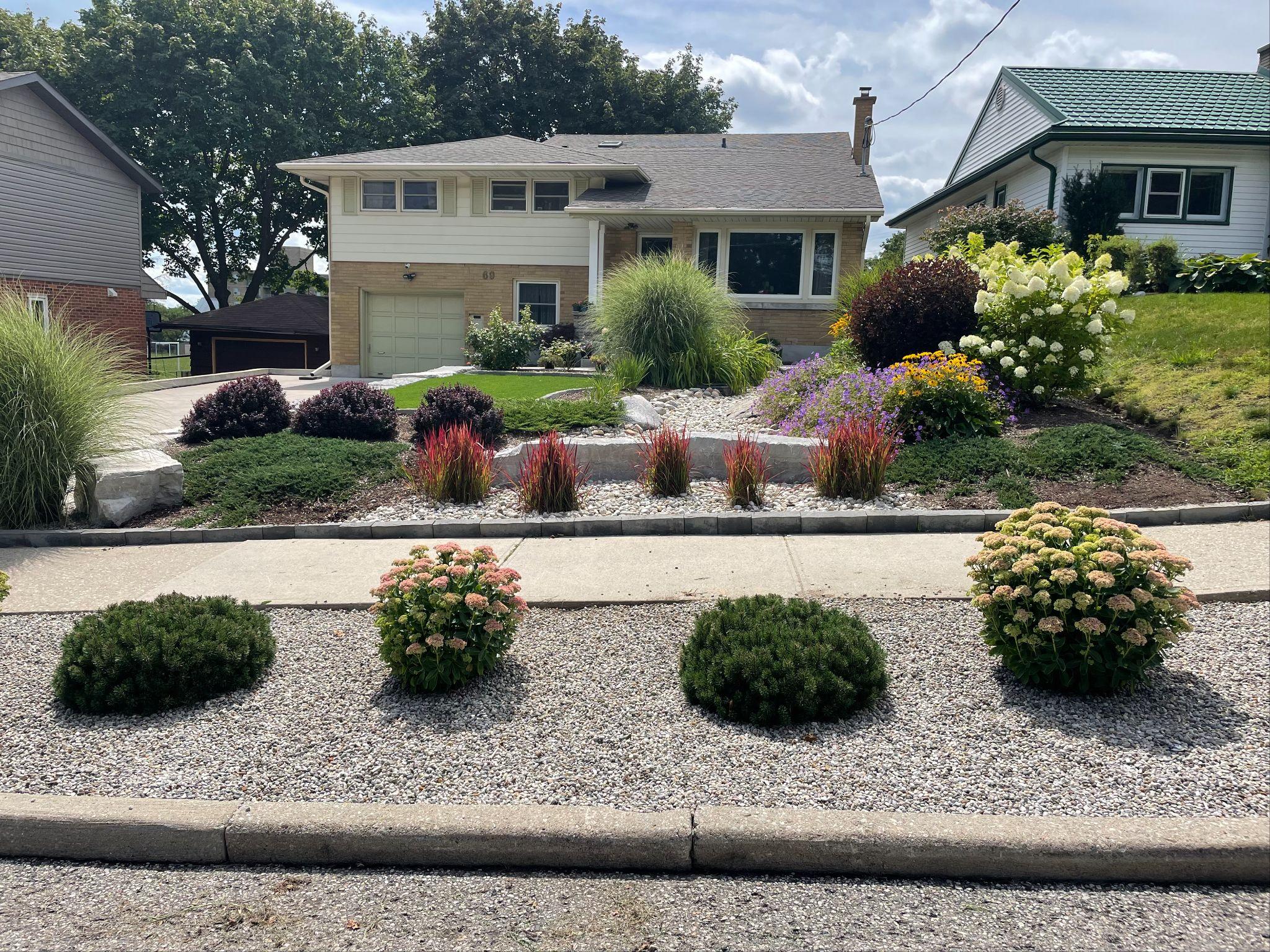
Proportion comes first. Map activities such as cooking, eating, lounging, play, and gardening. If you host often, your ratio may lean to patio space. If you love to garden, give soil and bed depth the room they need. Choosing a ratio upfront keeps hardscape vs softscape aligned with how you live.
Next comes circulation and views. Walk the path from the back door to the shed, to the gate, and to the seating area. Keep paths direct and wide enough for two people to pass. Plan sightlines from inside your house as well. Too much paving can feel cold; too much planting can feel unstructured. Right-sized moves bring clarity to your decisions on the balance of hardscape vs softscape in your garden.
Shade makes a patio usable on hot days. Wind breaks make shoulder seasons pleasant. Lighting extends safe use after sunset. Raised beds reduce bending. Set a practical budget and phase work if needed. You can build the patio and main beds first, then add a pergola or extra plant layers later. Phasing helps cash flow and lets you observe how spaces perform. Each step should reinforce the balance of hardscape vs softscape rather than compete with it.
Choosing Plants & Materials for Landscape Design in Southern Ontario
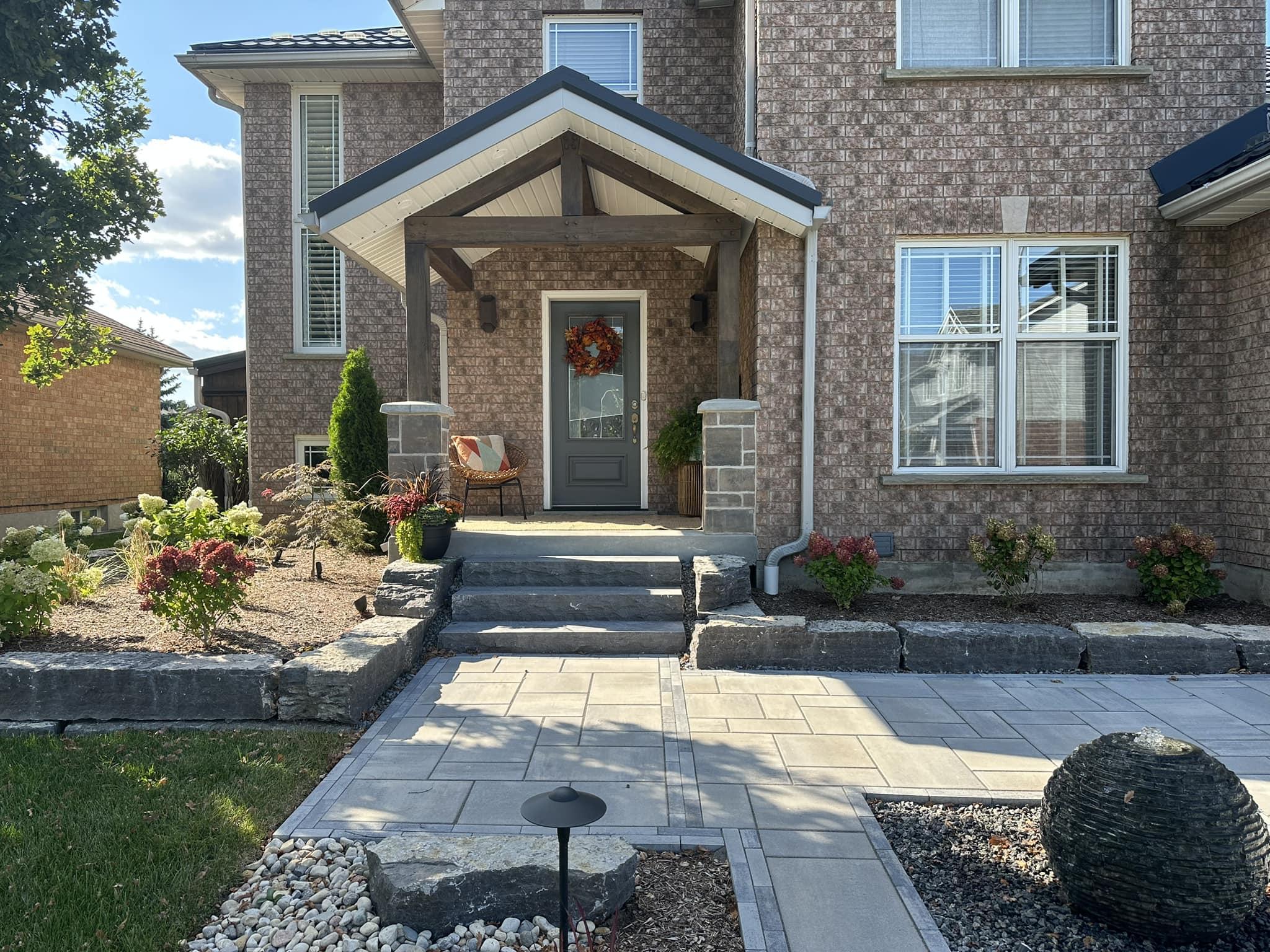
Choosing plants and materials for landscape design starts with fitting your home’s style. A red-brick façade reads well with classic pavers, clay brick, or limestone. Modern builds pair cleanly with large-format pavers and smooth armour stone. Fit the palette to the house first; that choice simplifies the process of balancing hardscape vs softscape.
For plants, think in layers and maintenance windows. Reliable choices for Southern Ontario include serviceberry and sugar maple for structure, hydrangea for shrubs, coneflower and aster for perennials, and thyme or sedum for groundcover. These combinations handle sun, soil, and winter reliably.
Through St. Jacobs Garden Centre, you can preview many of the trees, shrubs, and perennials selected for your design. Confirm heights, colours, and textures before installation. Plants are sourced locally for Southern Ontario conditions and come from a long-trusted community destination.
Installation quality matters to long-term performance. A solid base and proper drainage keep patios, walls, and steps stable. St. Jacobs Landscaping follows current standards and offers a one-year warranty on plant material and a three-year warranty on hardscapes. Those safeguards protect both sides of hardscape vs softscape.
Maintaining the Balance Over Time
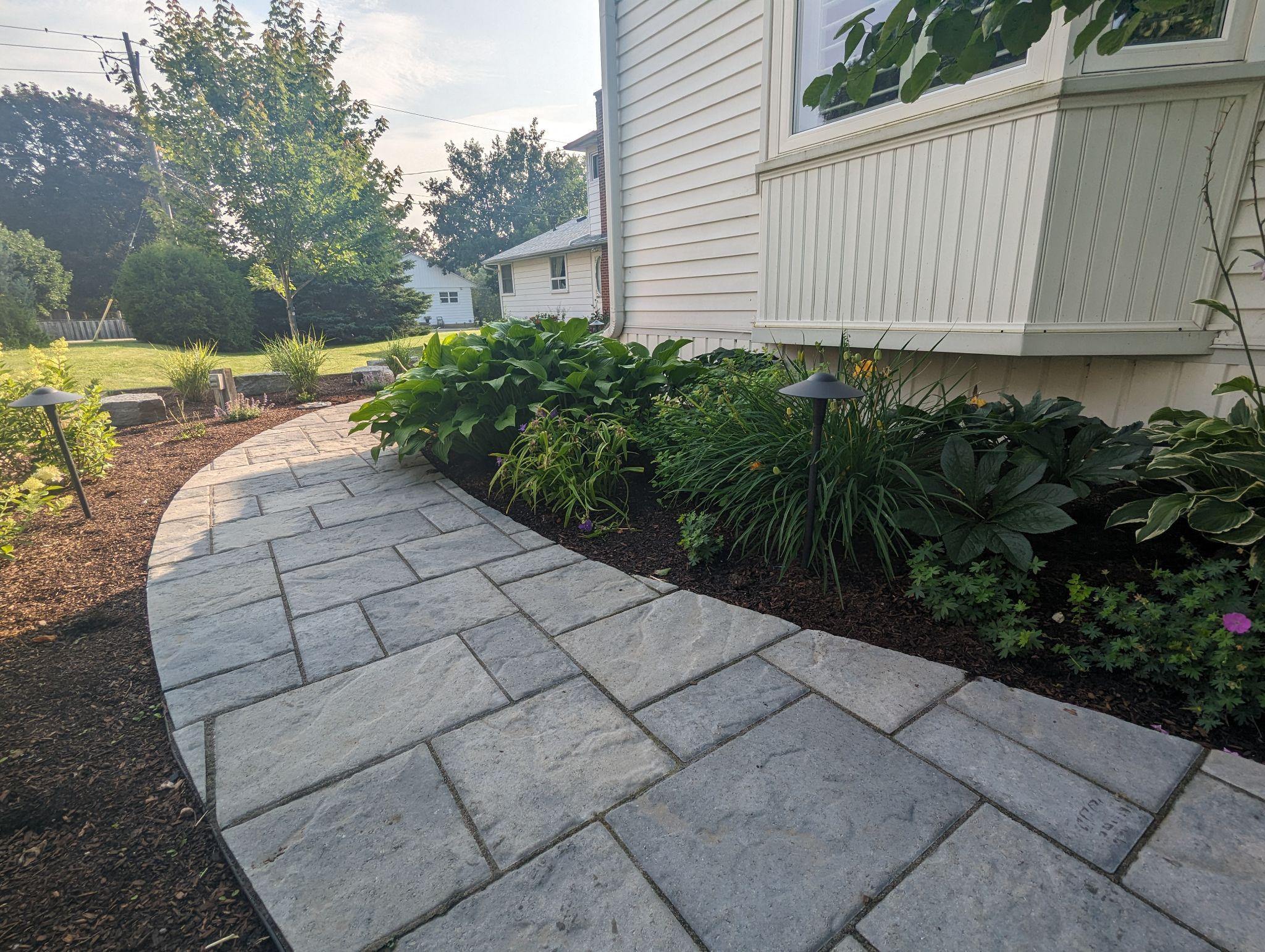
A beautiful landscape is a living, evolving entity, continuously changing as plants mature and materials gracefully weather over time. To ensure its enduring beauty and functionality, a thoughtful and consistent maintenance plan is essential, encompassing care from the initial year of establishment and extending far into the future.
Seasonal checks are crucial for proactive maintenance. Spring, after the dormancy of winter, is the ideal time to assess for any shifting of hardscape elements, identify plants that may have suffered winter damage, and prepare beds for new growth. As the vibrant growth of summer takes hold, regular pruning becomes necessary to maintain desired shapes, encourage healthy branching, and ensure pathways and sightlines remain clear and unobstructed. With the arrival of fall, a thorough clean-up of fallen leaves and debris is vital to prevent disease and pests, and to prepare garden beds for the coming snows, thus safeguarding the delicate balance between hardscape and softscape elements.
Beyond these seasonal routines, ongoing adjustments and enhancements contribute significantly to the long-term health and aesthetics of your landscape. As trees and shrubs grow and mature, they will inevitably alter light levels in certain areas, necessitating adjustments to planting schemes or the relocation of shade-sensitive species. Similarly, bed edges may need to be redefined or expanded to accommodate the increasing size of plants. Periodically, underperforming plants should be swapped out for more suitable alternatives to maintain the overall vitality of the design. Refreshing mulch layers annually or biannually is important for suppressing weeds, retaining soil moisture, and providing a neat, finished appearance. For hardscaping, regular attention is equally important; this includes resealing wooden structures to protect them from the elements and cleaning pavers or other masonry to remove dirt, moss, or mildew.
Practical Landscape Design Ideas for Homeowners
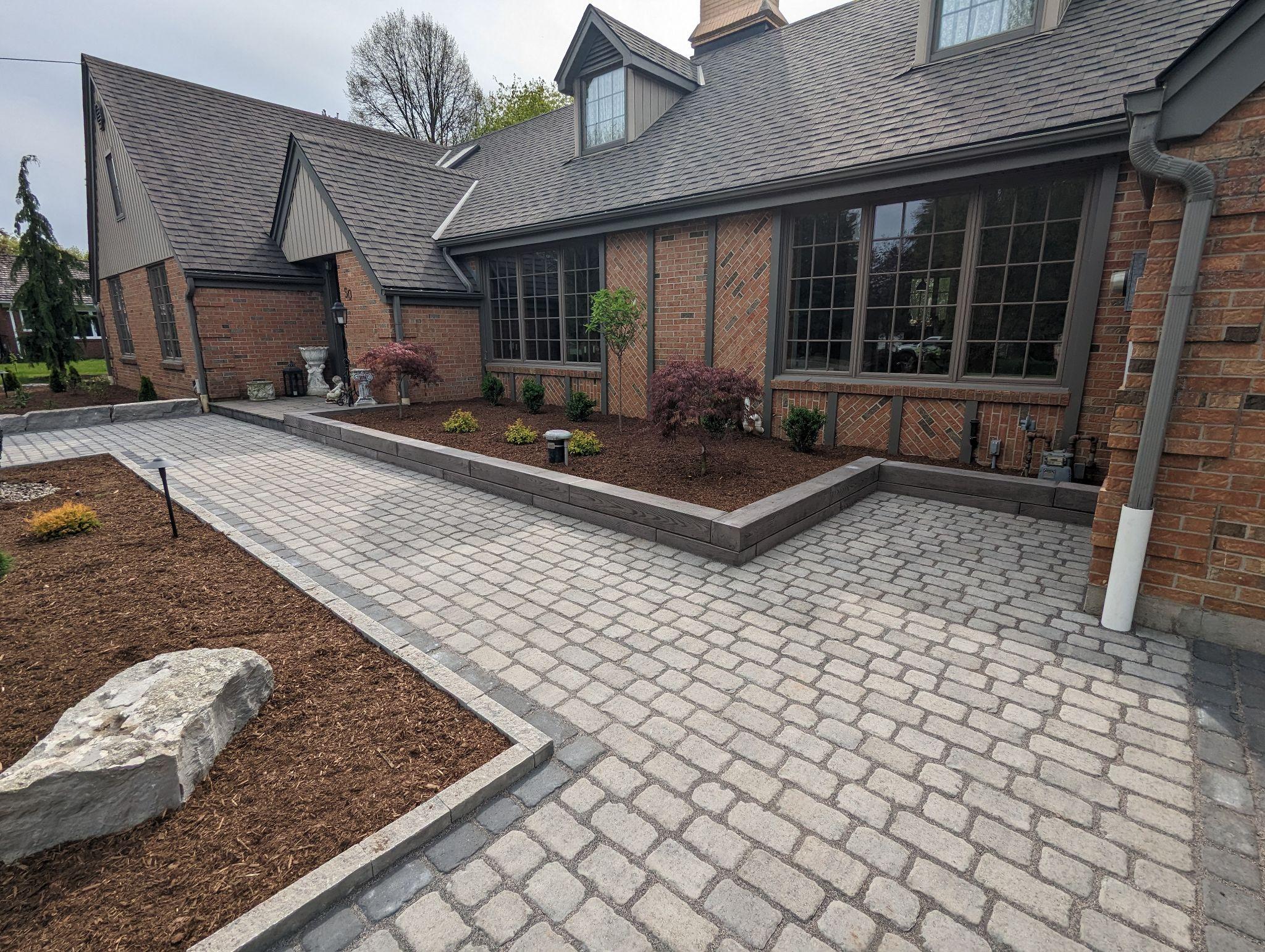
Use these ideas as a starting point. Each one respects function first and helps you weigh hardscape vs softscape.
- Size the main patio for your table with chairs pulled out, plus a walking band for serving. Consider materials that complement your home’s exterior and provide a comfortable surface underfoot.
- Add a small perch in morning sun for coffee or reading; screen with a compact shrub hedge. This creates an intimate, private space to enjoy the start of your day.
- Line paths with low evergreen structure and perennials that bloom in sequence. This provides year-round interest and a clear visual guide, enhancing the journey through your garden.
- Plan a cooking zone with wind protection and task lighting; keep heat sources clear of plantings. This ensures safety and functionality, making outdoor entertaining enjoyable and practical.
- Plant a shade tree on the west side of the patio to cool summer evenings and frame sunsets. Choose a species that matures to an appropriate size and offers attractive seasonal interest.
As you test ideas, sketch to scale and measure furniture footprints. Simple drawings reveal fit and flow. That clarity carries through each choice in hardscape vs softscape. Consider how these elements will age and require maintenance, and how they will contribute to the overall aesthetic and functionality of your outdoor living space.
Bringing It All Together
Good landscapes come from honest planning and practical materials maintained with care. When hard surfaces and living layers support each other, you gain a yard that works for family time and quiet breaks alike. St. Jacobs Landscaping focuses on design that serves daily life. The company is family-run; owners Josh and Adam care about outdoor spaces as an extension of home. You set the goals and the level of involvement. Preview plants at St. Jacobs Garden Centre and see choices before they go in the ground. Expect steady check-ins during quoting, design, and construction. That process respects your taste and keeps your landscape aligned with your needs. If you want professional guidance for your project, book a consultation today!
Summary
This guide explains hardscape vs softscape for a residential yard in Southern Ontario. You had softscape landscaping defined, learned about hardscape elements in landscaping, and got examples of hardscape and softscape that fit real life. You also saw how to balance hardscape and softscape design, choosing plants and materials for landscape design, and practical landscape design ideas for homeowners. Use these points to plan a yard that works calmly across the seasons.
Tags: