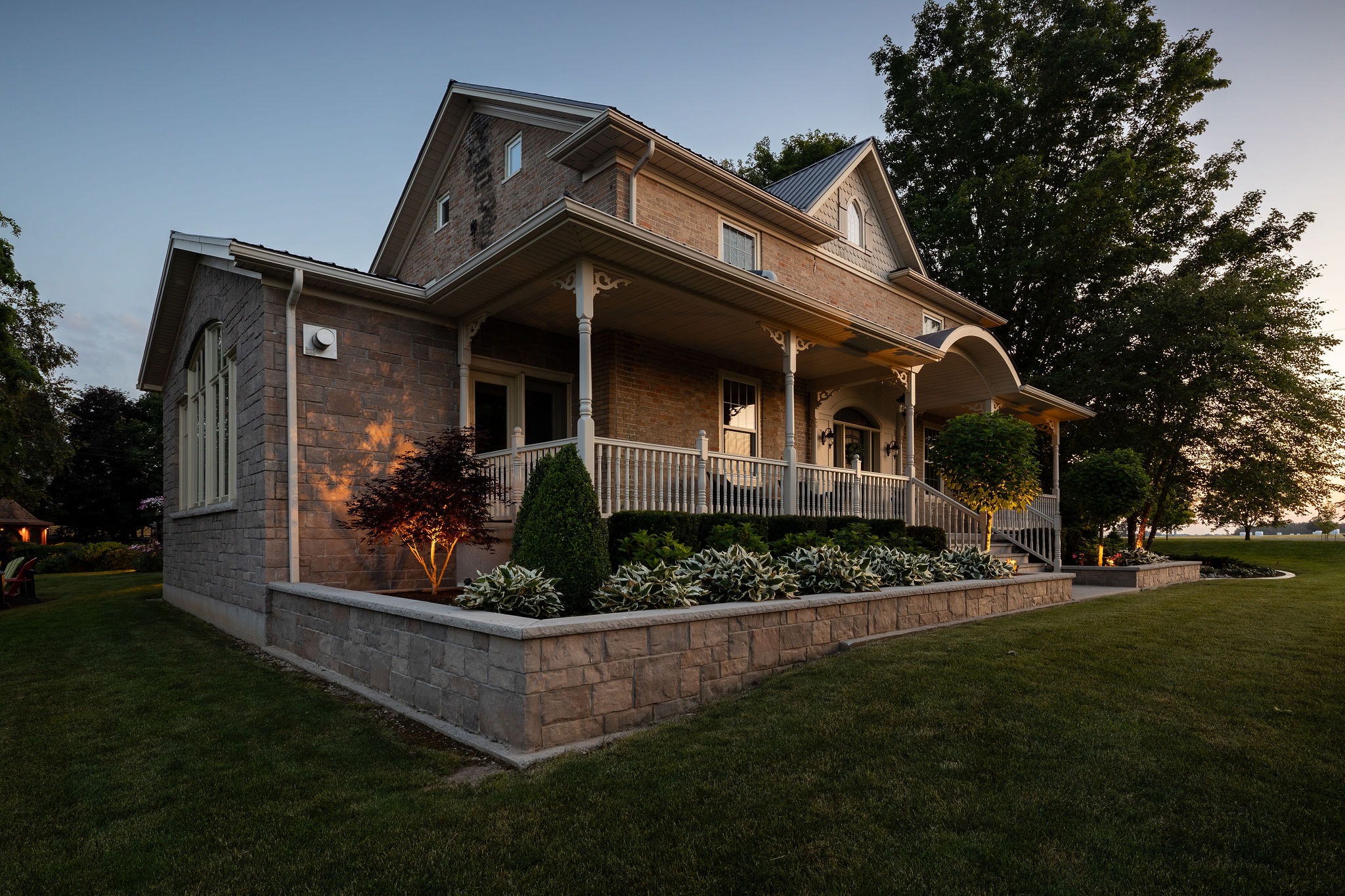
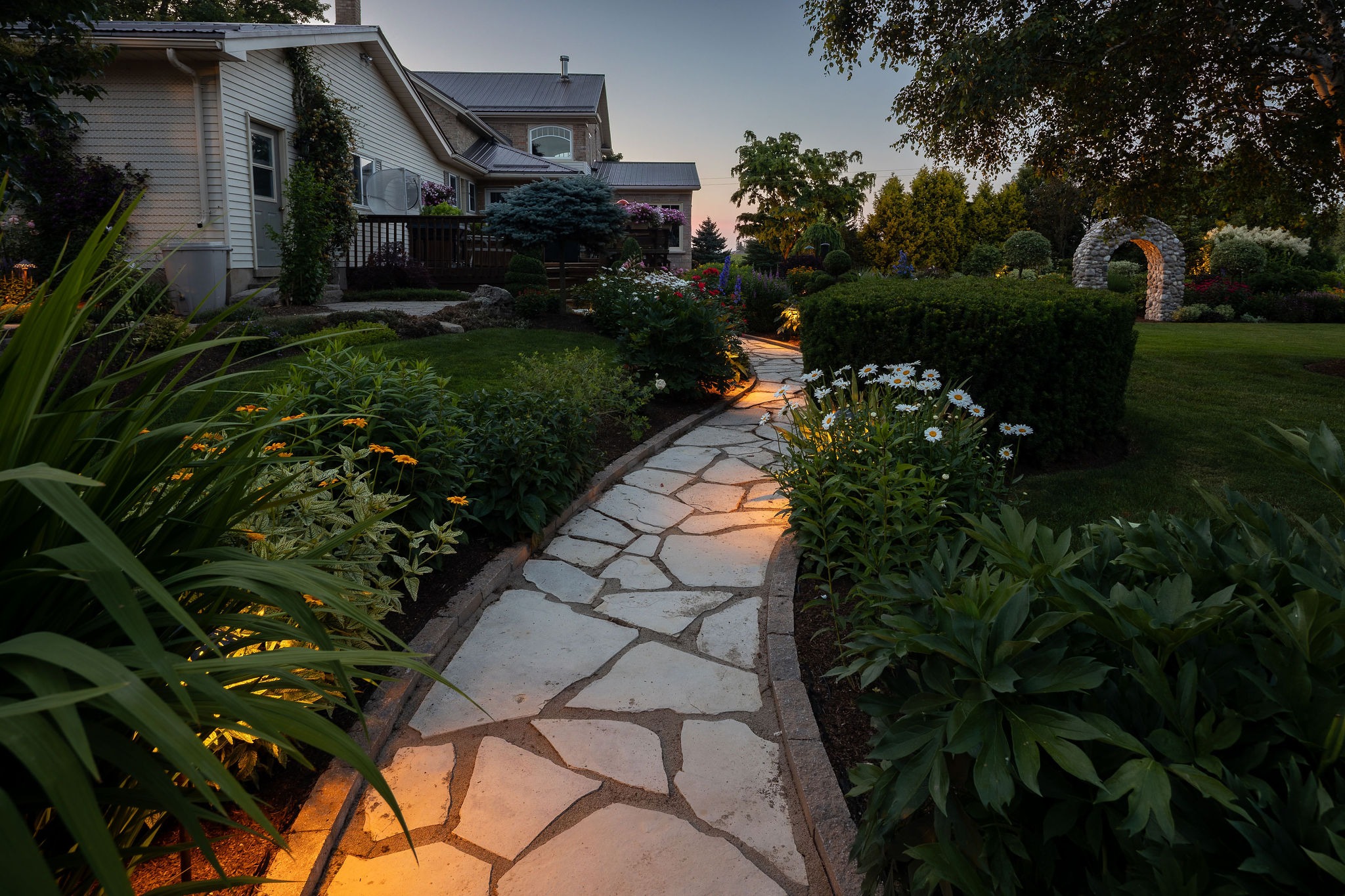
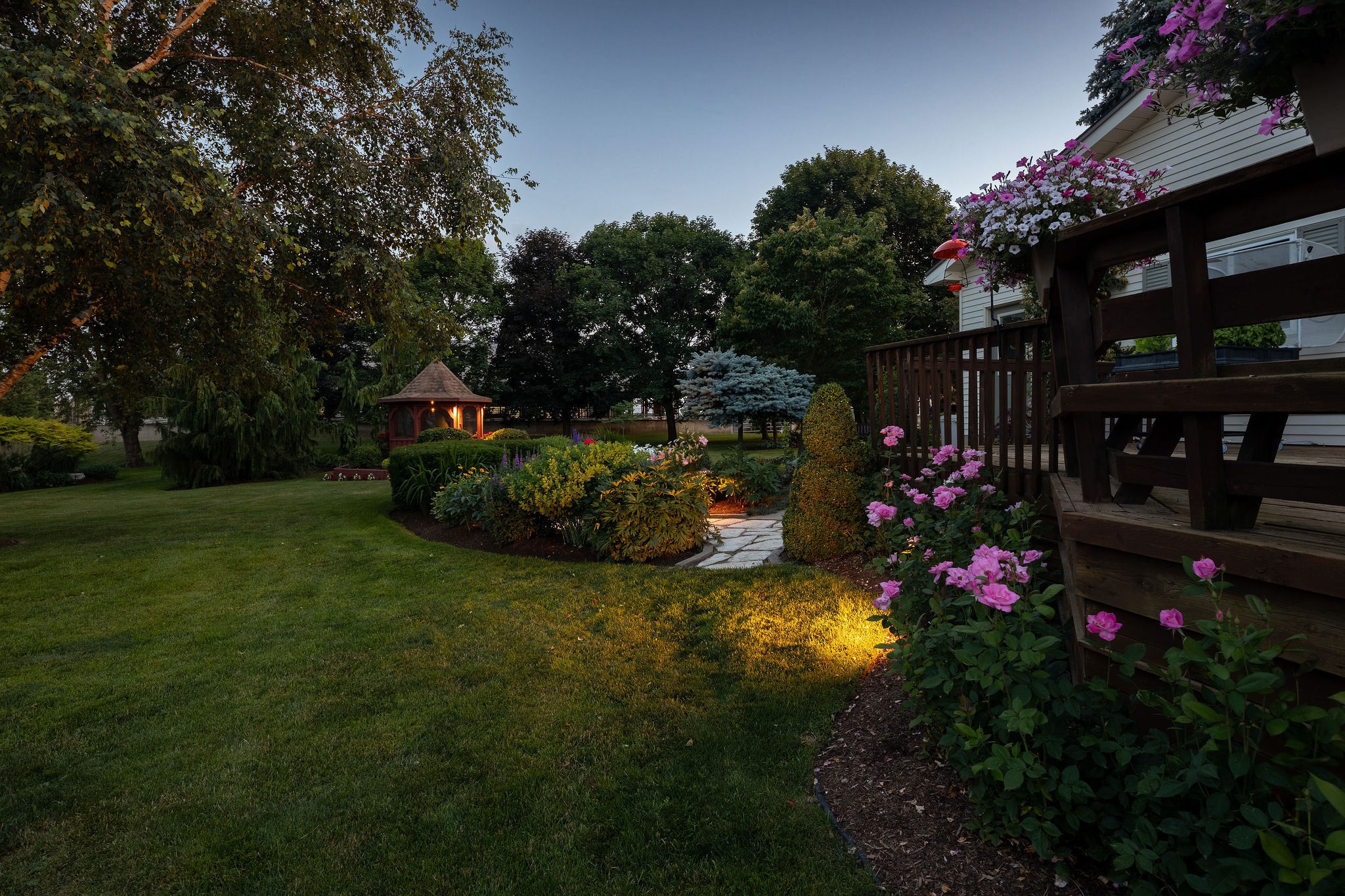
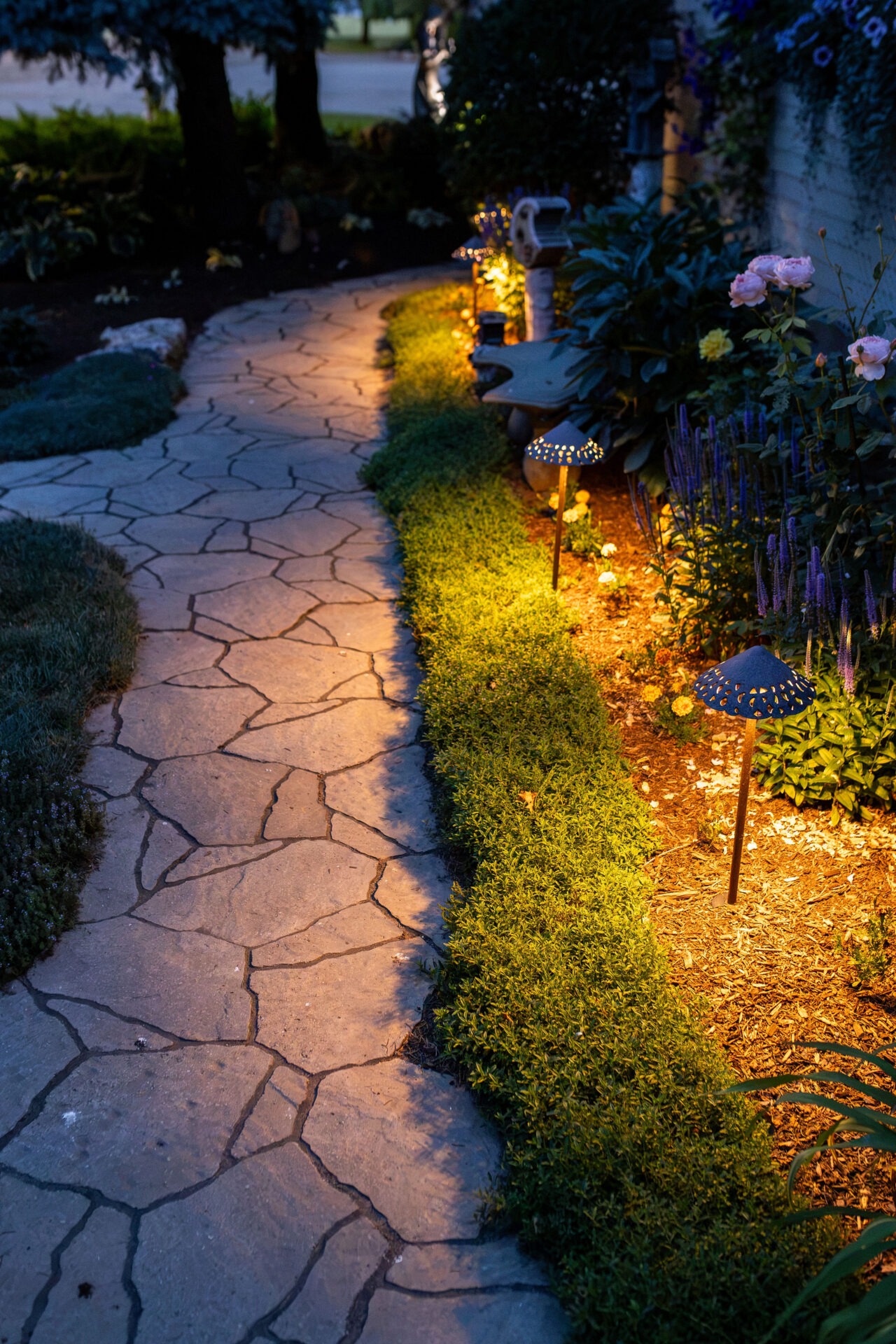
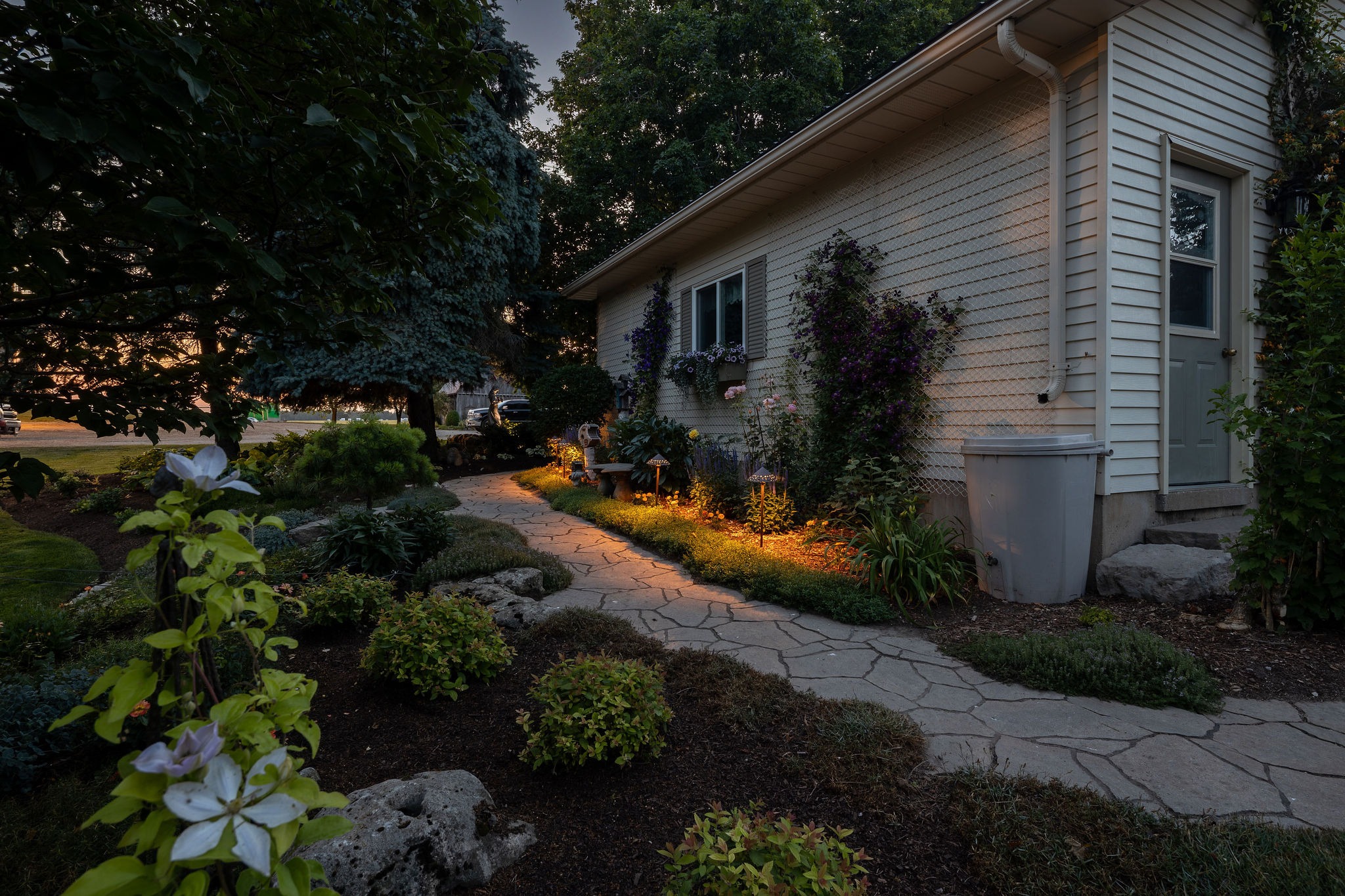
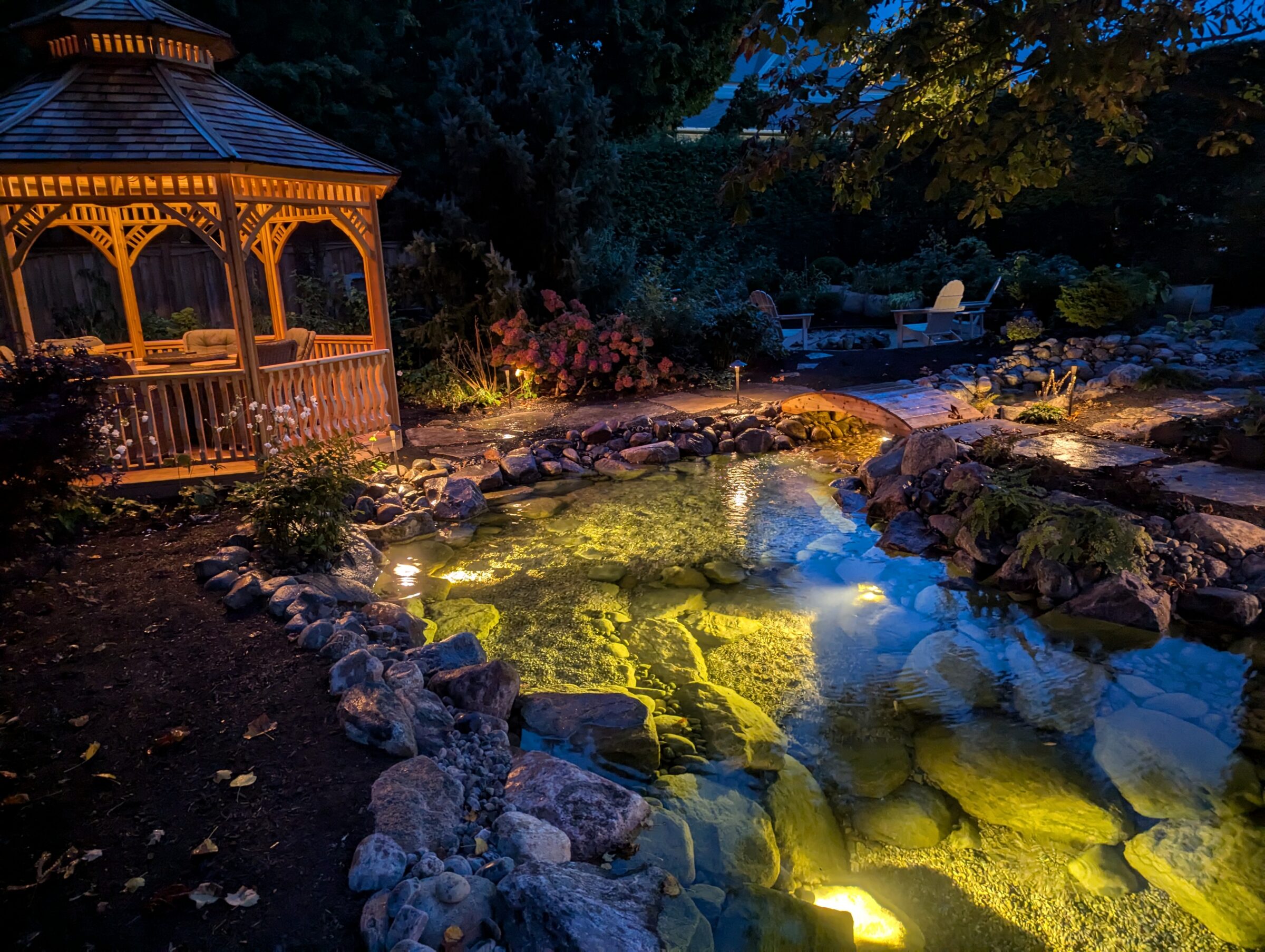
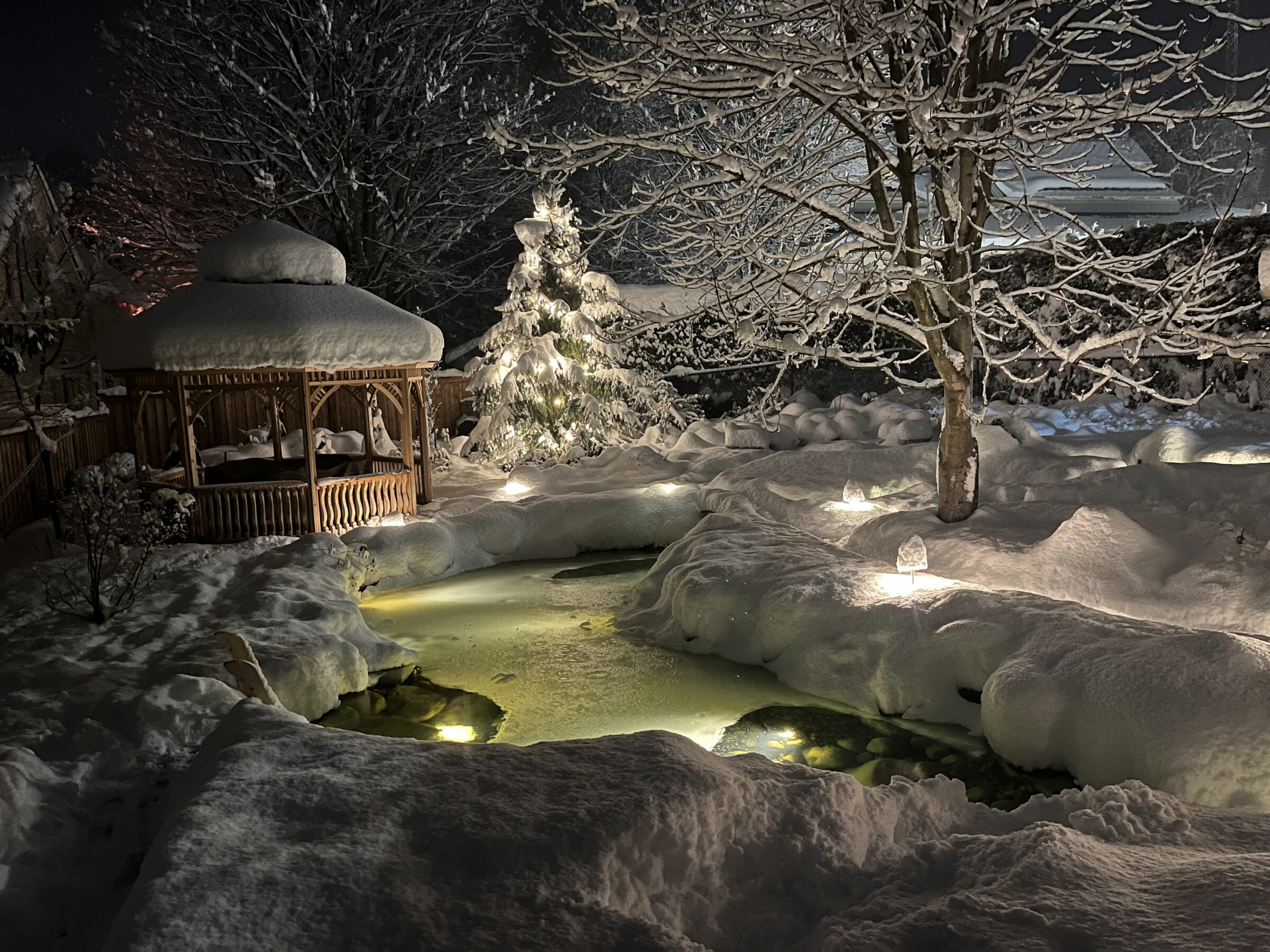
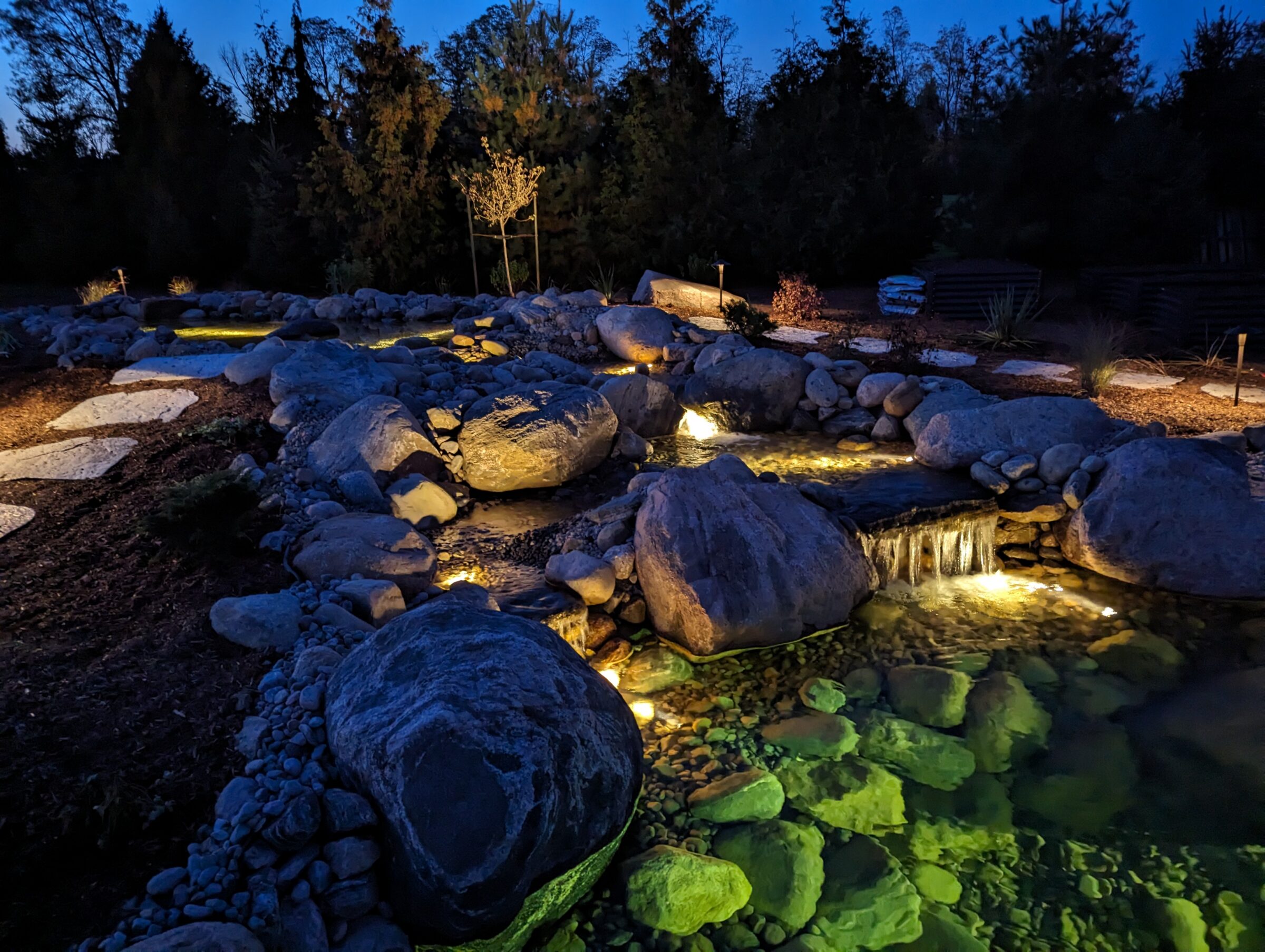
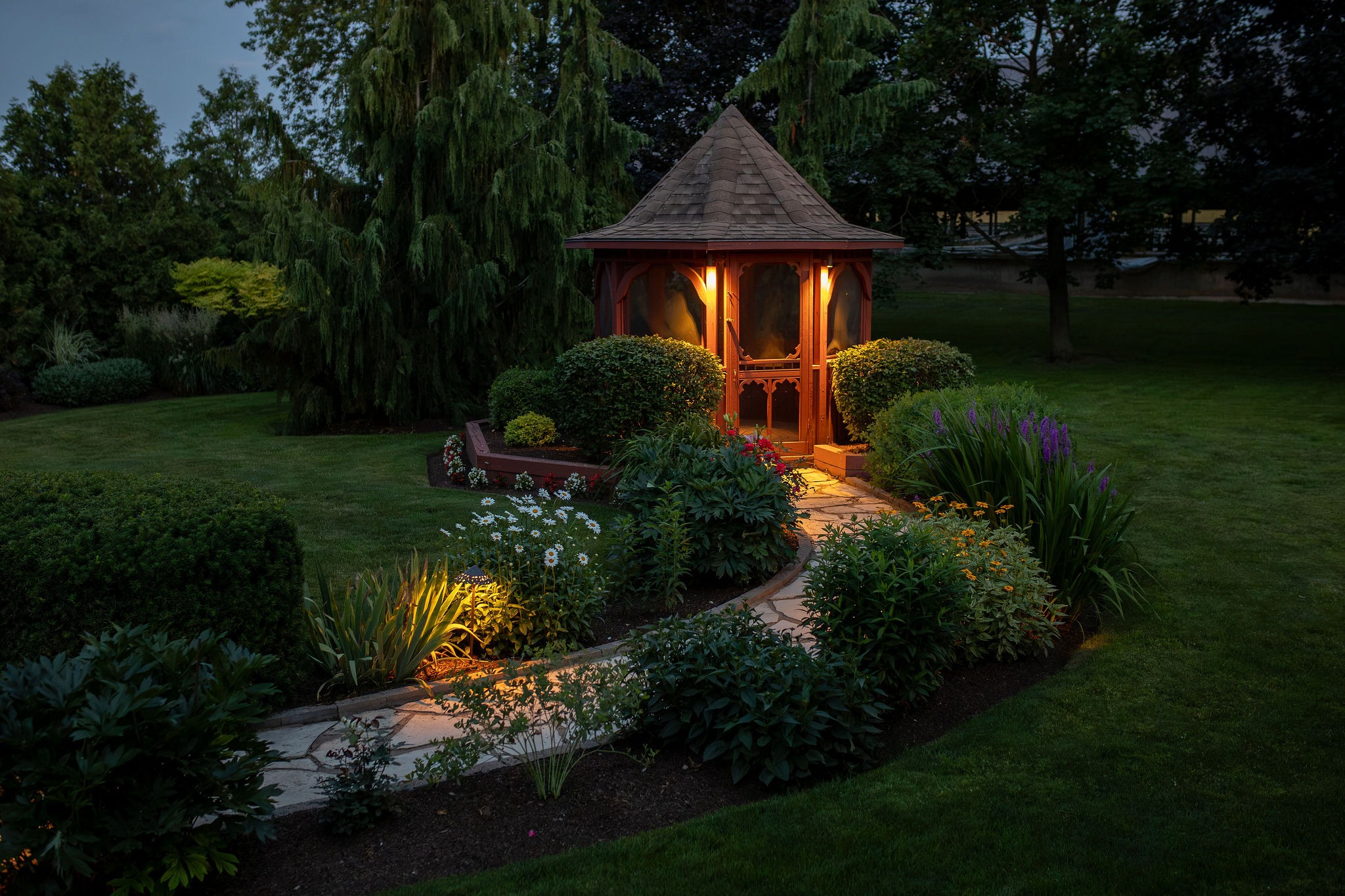
Driving through your neighbourhood at night, it is easy to spot the homes that get landscape lighting right. The stonework has rich depth, the front entry feels warm and welcoming, and the entire property looks complete. Naturally, most homeowners want that same feeling for their own yard, but translating that look to your own property can feel overwhelming.
Without a clear design, outdoor lighting quickly becomes a costly guessing game.Integrating lighting into your overall landscape design prevents placing fixtures in spots that leave your house looking washed out, cast blinding glare into your windows, or turn beautiful features invisible after dark. Worse yet, poor planning is the main reason lighting systems fail early or require expensive repairs down the road.
Working with a professional contractor for your landscape lighting installation helps you fix placement issues before a single wire is buried. Where the light shines—and what stays in the dark—defines how your home looks for the next fifteen years. By focusing on placement first, you build a balanced layout that highlights your property’s best features while keeping your installation safe, functional, and long-lasting.
The golden rule of landscape lighting design is simple: light the features that give your home its natural shape after dark, and leave the rest of the yard alone. This guide breaks down why that principle works and how to apply it to your property, from mapping out zones and selecting key features to choosing the right techniques and protecting your setup from a Waterloo Region winter.